Quick answer: ADAS calibration is a genuine safety requirement after many windshield replacements, adding $200–$600+ to a claim – but whether a specific vehicle needs it is a checkable, VIN-specific fact, not a default. ADAS recalibration billing patterns flagged in industry reviews include unnecessary replacements to unlock calibration fees, calibration invoiced but not performed to spec, and both static and dynamic procedures billed when only one applies.

Key facts covered in this article:
- ADAS calibration is required after many windshield replacements, but not all of them
- Whether a vehicle needs it depends on VIN, factory ADAS equipment, and OEM calibration trigger rules
- Common billing issues include phantom calibration, double-billing static and dynamic procedures, and replacement steered toward calibration eligibility
- The fix is VIN-based verification at first notice of loss, not post-payment audits
Modern vehicles increasingly rely on a small camera mounted behind the windshield to power features like lane-departure warning, automatic emergency braking, and adaptive cruise control. Replace the windshield, and in many cases that camera genuinely needs to be recalibrated afterward, so these safety systems keep working the way they’re supposed to.
This is real, and it’s important. Recalibration, done correctly, is a meaningful safety step, not an unnecessary extra.
It’s also become one of the more expensive line items in a windshield claim, typically adding $200 to $600 or more. And any high-value line item, in any industry, tends to attract billing patterns that don’t always match what actually happened: a pattern SIU investigation teams increasingly watch for in glass claims specifically.
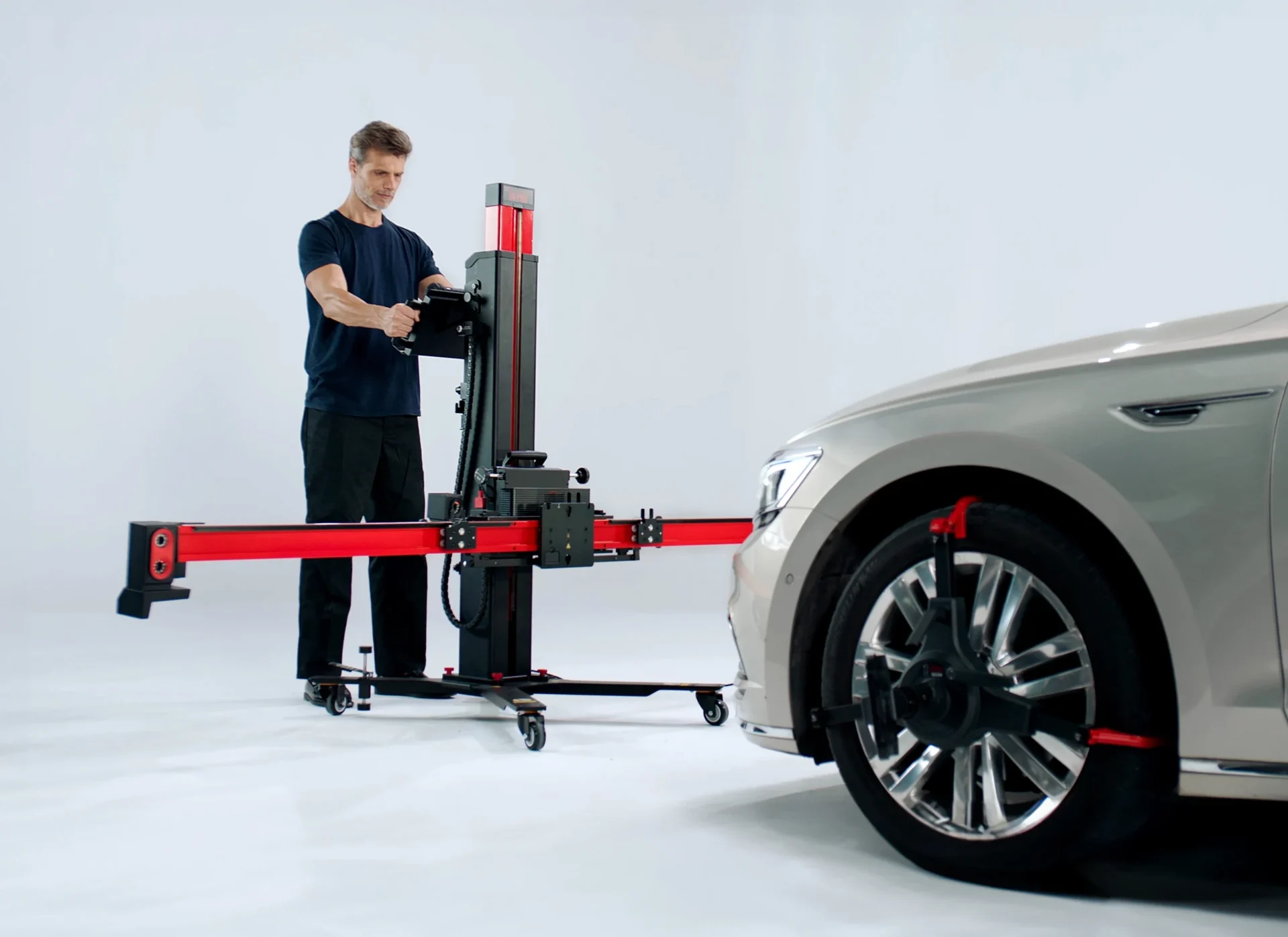
Recalibration Should Be a Diagnosis, Not a Default
Whether a specific vehicle needs recalibration after a specific repair is a factual question, not a judgment call. It depends on the vehicle’s VIN, its factory-installed ADAS equipment, and the automaker’s own published calibration requirements for that system. The National Highway Traffic Safety Administration and individual OEMs publish detailed guidance on exactly when recalibration is required after glass work.
In practice, though, claims data and industry reviews have pointed to a few recurring patterns — sometimes described under the broader umbrella of windshield replacement fraud — worth naming plainly, without assuming bad intent on anyone’s part:
- Replacement steered toward recalibration eligibility. A repairable chip becomes a full replacement, in part because replacement is what unlocks the ADAS recalibration billing line item — even though a repair would have left the original camera alignment untouched.
- Calibration invoiced but not fully completed. Static (in-shop target board) or dynamic (road test) procedures get billed without being carried out to the manufacturer’s specification.
- Both procedures billed when the vehicle only requires one. Some models need only a static or only a dynamic calibration after a given repair. Billing both adds cost without adding any real safety verification.
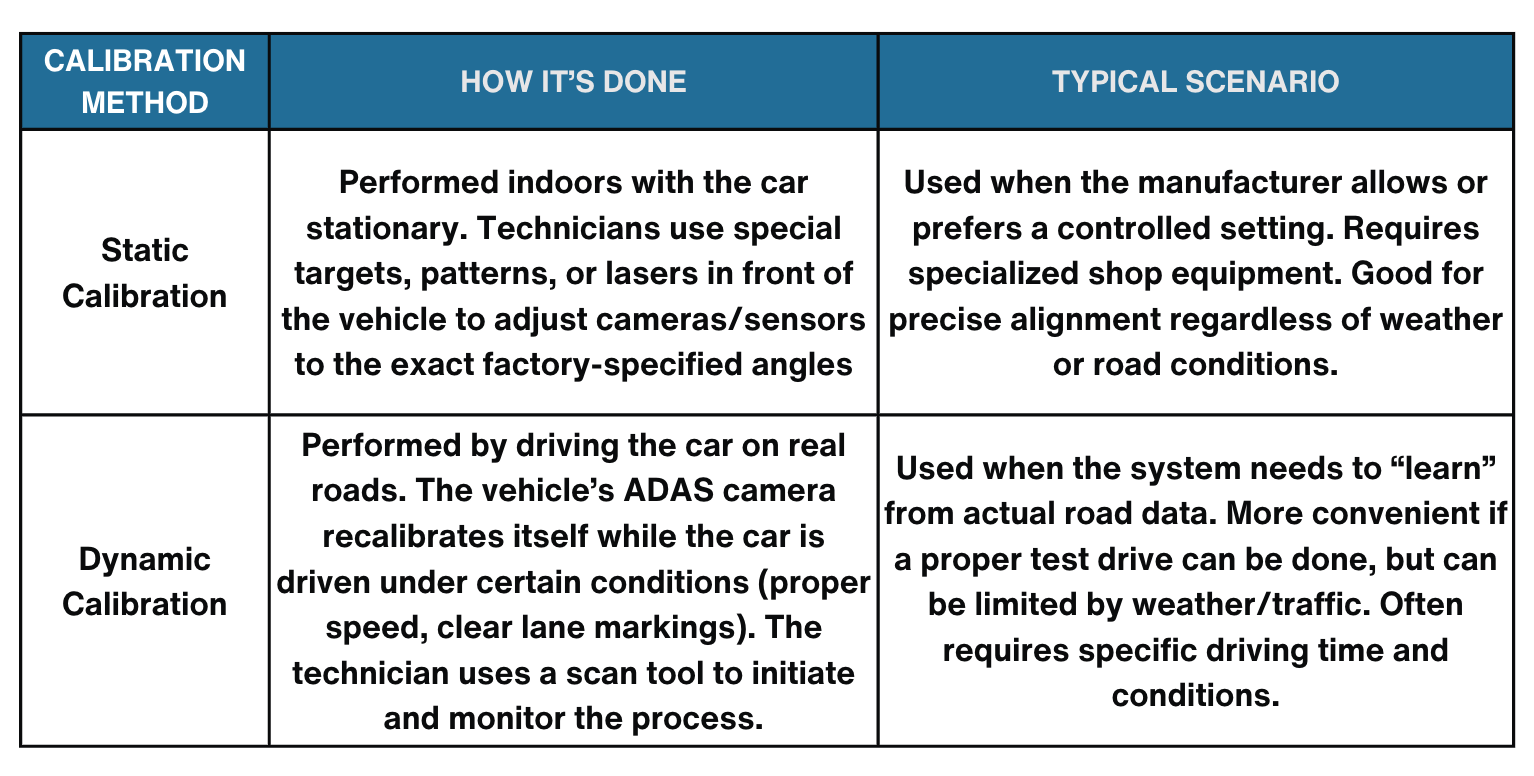
A Question That Data Can Actually Answer about ADAS recalibration billing
What makes this issue different from a lot of claims-cost debates is that it has a clean, checkable answer. Whether this VIN, with this factory ADAS configuration, needs recalibration after this specific repair is something that can be determined from data that already exists — the vehicle’s build sheet and the OEM’s own calibration trigger rules for the components involved.
That means the fix doesn’t have to rely on auditing invoices after the money has already gone out. It can happen earlier: decoding the VIN, checking it against manufacturer calibration triggers for the specific repair being performed, and flagging what’s genuinely required — ideally at first notice of loss, before an estimate is even written. We touch on how this fits into a broader independent-assessment approach in our post on windshield repair vs. replacement decisions.
The Bigger Picture
The job itself isn’t the problem — skipping it, or ADAS recalibration billing for it incorrectly, is. Getting this right protects two things at once: the safety systems drivers actually rely on, and the fairness of what insurers pay for. A rules-based, VIN-specific check at the start of a claim is a small process change with a meaningful effect on both.
Sources: National Highway Traffic Safety Administration, Auto Glass Safety Council